

Introduction
The origins of snooker can be traced back to the late 19th century, a period when billiards was already a popular pastime. The game emerged as a refined and strategic variation of its predecessor, with an intriguing blend of skill, precision, and strategic thinking that would come to define the sport we know today. In the world of snooker, greatness echoes through the green felt and resonates with the clatter of balls colliding. As enthusiasts gather in snooker clubs, the atmosphere buzzes with the spirit of competition and admiration for the legends who have left an indelible mark on the game. Join us on a journey through the annals of snooker history as we explore the lives and achievements of some iconic snooker players who have shaped the game we love
Early Roots
The story begins in India during the late 1800s, where British army officer John Roberts stationed in Jubbulpore (now Jabalpur) sought a diversion from the routine. It is in this cultural melting pot that the precursor to snooker took shape. The officers devised a game using colored balls and a set of rules that introduced a scoring system based on potting-specific balls.
Colonial Influence

As the British Empire expanded, so did the popularity of snooker. The game migrated to England, and in 1884, the word “snooker” was officially coined by Sir Neville Chamberlain, a player who missed a crucial shot and, in frustration, declared his opponent a “snooker,” a term originally used in military slang for inexperienced cadets.
Fred Davis’ impact extended beyond his competitive years. His longevity in the sport, competing at the highest level well into his 60s, showcased a dedication that inspired future generations of players. Davis’ sportsmanship, demeanor, and commitment to professionalism have left an enduring legacy, shaping the ethos of snooker as it evolved into a global spectacle. Fred Davis stands as a maestro of snooker, a champion whose influence extended far beyond the frames he played. His technical prowess, championship victories, and pioneering efforts in professionalizing snooker laid the groundwork for the modern landscape of the sport.
Rise to Prominence
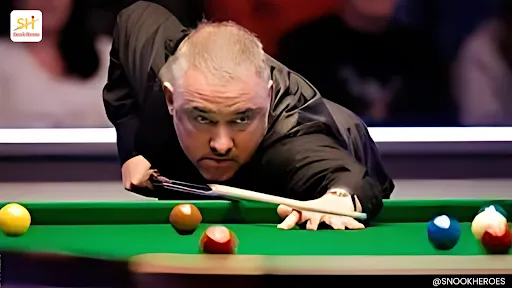
Snooker quickly gained traction in the billiards community, earning its status as a distinct and captivating sport. The first official set of rules was drawn up in 1882 at the Ootacamund Club in India, and by the early 20th century, snooker had firmly established itself on the British Isles.
Professionalization and World Championships
The 1920s marked a crucial turning point for snooker as it transitioned from a leisurely pursuit to a professional sport. The inaugural World Snooker Championship took place in 1927 at Camkin’s Hall in Birmingham, England, and was won by Joe Davis, a dominant figure who would secure the title for the next 15 years. He was the brother of Fred Davis, Joe Davis, who achieved this remarkable feat. Joe Davis dominated the World Professional Snooker Championship from its inception in 1927 until he retired in 1946, winning every championship during that period. Joe Davis’ unparalleled success contributed significantly to the early history and popularity of professional snooker, establishing him as one of the sport’s legendary figures.
The Golden Era

The post-war period witnessed the emergence of legends like Ray Reardon, John Spencer, and Alex Higgins, each contributing to the sport’s evolving dynamics. The introduction of color television in the 1960s brought snooker into living rooms across the globe, elevating its popularity to unprecedented heights.
Ray Reardon, born in 1932, is a Welsh snooker player widely regarded as one of the greatest of all time. Known as “Dracula” for his intense and focused demeanor, Reardon dominated the sport during the 1970s. He won six World Snooker Championship titles between 1970 and 1978, showcasing his exceptional skill and strategic prowess on the table. Reardon’s disciplined and methodical approach to the game set a standard for professionalism in snooker.
John Spencer, born in 1935, was an English professional snooker player who played a pivotal role in the early development of the sport. Spencer was the first winner of the modern World Snooker Championship in 1969 when the tournament adopted a knockout format. This victory solidified his place in snooker history, and Spencer went on to win the championship again in 1971. He played a crucial role in shaping the competitive landscape of snooker and laid the foundation for the future success of the sport.
Alex Higgins, born in 1949, was a Northern Irish snooker player known for his flamboyant style and electrifying presence on the table. Nicknamed “Hurricane,” Higgins captivated audiences with his fast and entertaining playing style. He won the World Snooker Championship in 1972 and 1982, leaving an indelible mark on the sport. Higgins’ charisma and unpredictable behavior contributed to the popularization of snooker, helping to attract a broader audience to the game.
Modern Era
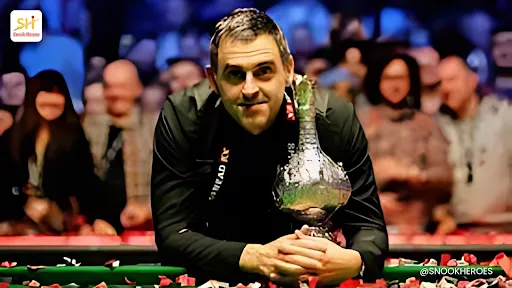
In the late 20th century and beyond, players like Stephen Hendry, Ronnie O’Sullivan, and Mark Selby have continued to shape and redefine snooker. The introduction of various championships and tournaments worldwide has expanded the game’s global footprint, captivating audiences and fostering a new generation of enthusiasts.
Stephen Hendry, born in 1969, is a Scottish snooker player widely regarded as one of the greatest in the history of the game. Hendry dominated the 1990s, winning seven World Snooker Championship titles from 1990 to 1999, a record that still stands. Known for his clinical break-building and mental toughness, Hendry’s success helped raise the profile of snooker on the global stage, inspiring a new generation of players.
Ronnie O’Sullivan, born in 1975, is an English snooker player known for his natural talent and flair on the table. O’Sullivan, nicknamed “The Rocket,” is one of the most gifted players in the history of snooker. He has won the World Snooker Championship six times and holds numerous records for the fastest century breaks and maximum breaks. O’Sullivan’s charismatic and unpredictable playing style has brought a new level of excitement to the sport, attracting a broader audience.
Mark Selby, born in 1983, is an English snooker player who has achieved success through his tactical and resilient approach to the game. Selby, known as “The Jester from Leicester,” has won multiple major titles, including three World Snooker Championship titles. His ability to grind out victories in tough situations has made him one of the most consistent and formidable players in contemporary snooker.
21 Century Champs

Several snooker players have left a significant impact on the game in the 21st century, showcasing exceptional skills, consistency, and dominance on the professional circuit.
Ronnie O’Sullivan, Often regarded as one of the greatest snooker players of all time, Ronnie O’Sullivan has made an indelible mark in the 21st century. His natural talent, incredible cue ball control, and flair for the dramatic have earned him numerous titles, including multiple World Championships.
O’Sullivan’s versatility and ability to play at the highest level for an extended period have solidified his status as a snooker legend.
John Higgins, Scottish snooker player John Higgins has been a consistent force in the 21st century. Known for his impeccable cue action and tactical prowess, Higgins has claimed multiple World Championships and various other major titles. His durability and strategic approach to the game have made him a respected figure in the snooker community.
Mark Selby, Nicknamed “The Jester from Leicester,” Mark Selby has been a dominant force in snooker during the 21st century. His methodical and resilient style of play has earned him multiple World Championships and other prestigious titles. Selby’s ability to grind out victories in pressure situations has established him as one of the most successful and consistent players of his generation.
Conclusion:
The history of snooker is a captivating tale of evolution, innovation, and skill. From its humble beginnings in the officers’ quarters of Jubbulpore to the dazzling arenas of modern championships, snooker has transcended borders and eras, leaving an indelible mark on the world of cue sports. As we celebrate the iconic players who have shaped the game, we also honor the rich history that has made snooker a timeless and beloved sport. Snook Heroes, with its comprehensive suite of services, provides snooker clubs with the tools they need to honor and celebrate the legends of the game.